




Insulation Guide
Insulation Guide
Proper insulation is one of the easiest and most effective ways to make your home warmer, more comfortable, and energy-efficient. This guide explains the basics of home insulation and what you need to know to improve your property.
Insulation works by reducing heat loss in your home, keeping warmth inside during the winter and preventing heat from entering during the summer. There are several types of insulation to consider. Cavity wall insulation fills the gap between your walls to prevent heat escaping, while loft insulation slows heat loss through the roof. Other options include floor insulation and solid wall insulation, depending on your property.
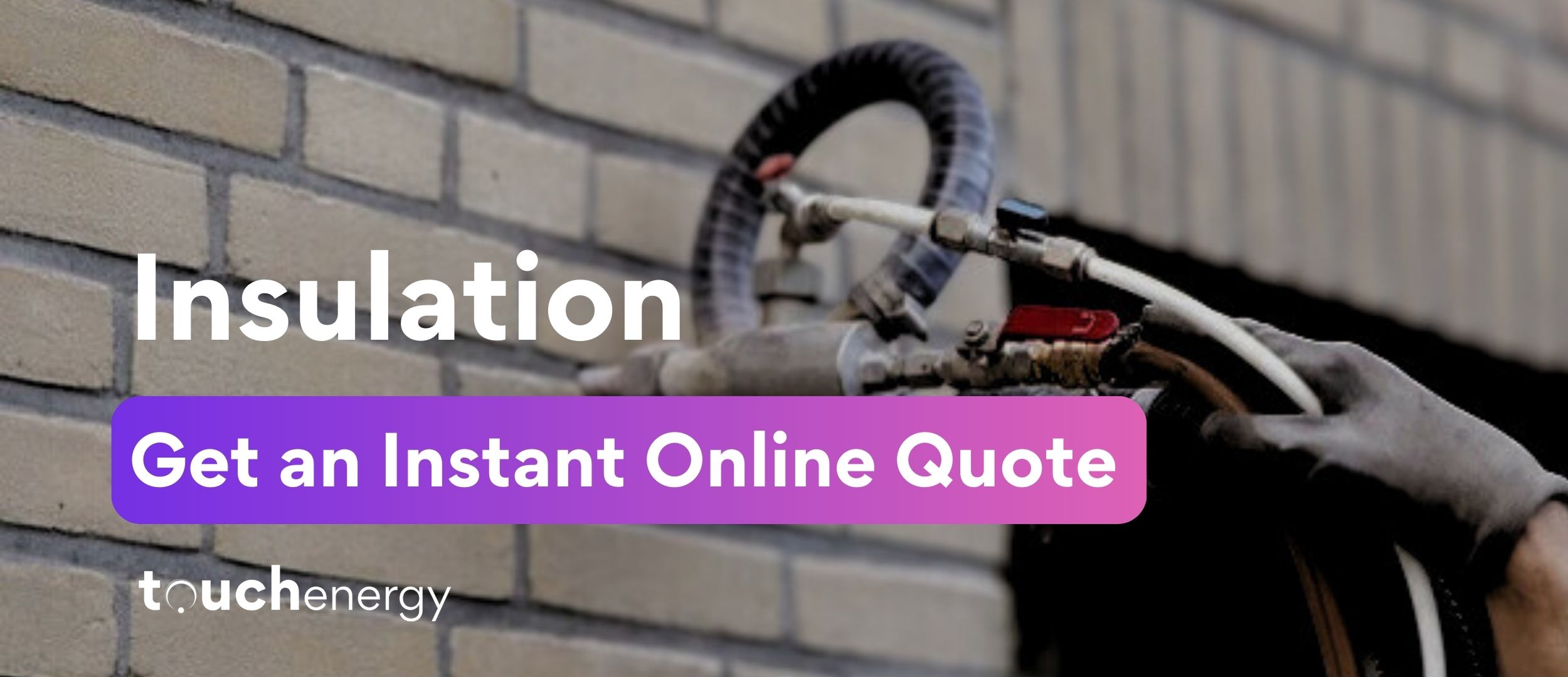
Cavity wall insulation is one of the most common upgrades for homes built after the 1920s. Filling the gap between walls with insulating material can make a noticeable difference to both warmth and energy bills. Professional assessment ensures that your walls are suitable and the insulation is installed safely and effectively.
Energy savings are a key benefit of insulation. Well-insulated homes require less energy to heat, which helps reduce fuel bills and lowers your environmental impact. It also improves comfort, eliminating cold spots and drafts throughout your home.
Installation should always be carried out by qualified professionals. Correct installation ensures maximum efficiency, safety, and long-term performance. Most insulation types require minimal ongoing maintenance, though regular checks can help maintain effectiveness.
Upgrading your home with insulation is a simple way to improve energy efficiency, comfort, and savings. Whether it’s cavity wall, loft, or another type of insulation, making these improvements can have a lasting impact on your home’s performance.
Interested in insulating your home? Get in touch with our team to discuss your options. We’ll help you choose the right insulation for your property and guide you through the process from assessment to installation.
Proper insulation is one of the easiest and most effective ways to make your home warmer, more comfortable, and energy-efficient. This guide explains the basics of home insulation and what you need to know to improve your property.
Insulation works by reducing heat loss in your home, keeping warmth inside during the winter and preventing heat from entering during the summer. There are several types of insulation to consider. Cavity wall insulation fills the gap between your walls to prevent heat escaping, while loft insulation slows heat loss through the roof. Other options include floor insulation and solid wall insulation, depending on your property.
Cavity wall insulation is one of the most common upgrades for homes built after the 1920s. Filling the gap between walls with insulating material can make a noticeable difference to both warmth and energy bills. Professional assessment ensures that your walls are suitable and the insulation is installed safely and effectively.
Energy savings are a key benefit of insulation. Well-insulated homes require less energy to heat, which helps reduce fuel bills and lowers your environmental impact. It also improves comfort, eliminating cold spots and drafts throughout your home.
Installation should always be carried out by qualified professionals. Correct installation ensures maximum efficiency, safety, and long-term performance. Most insulation types require minimal ongoing maintenance, though regular checks can help maintain effectiveness.
Upgrading your home with insulation is a simple way to improve energy efficiency, comfort, and savings. Whether it’s cavity wall, loft, or another type of insulation, making these improvements can have a lasting impact on your home’s performance.
Interested in insulating your home? Get in touch with our team to discuss your options. We’ll help you choose the right insulation for your property and guide you through the process from assessment to installation.